Before the truck,
there was a courtyard.
Four chapters. One family. A journey from a grandmother's tandoor in Tashkent to the farmers markets and event campuses of the Bay Area.
Chapter I
Tashkent, Uzbekistan
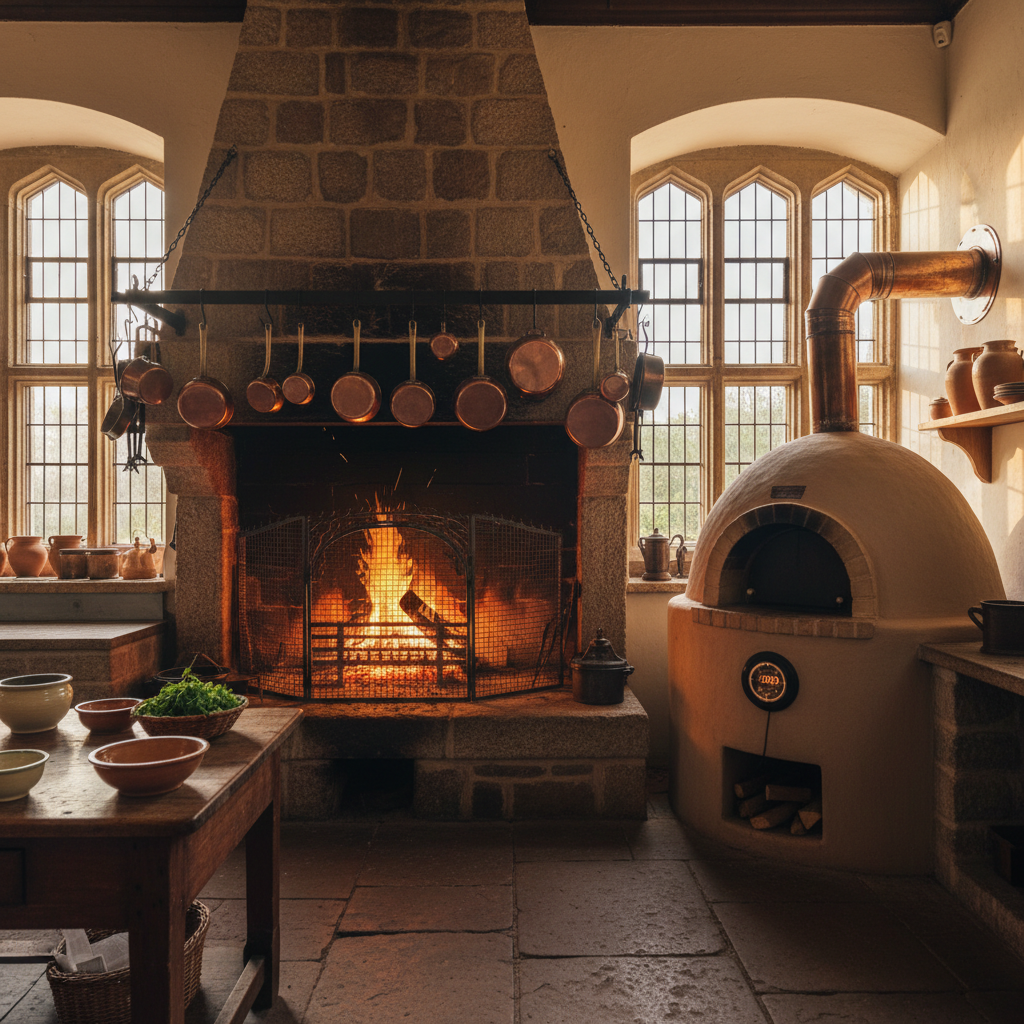
A grandmother's courtyard, 5am.
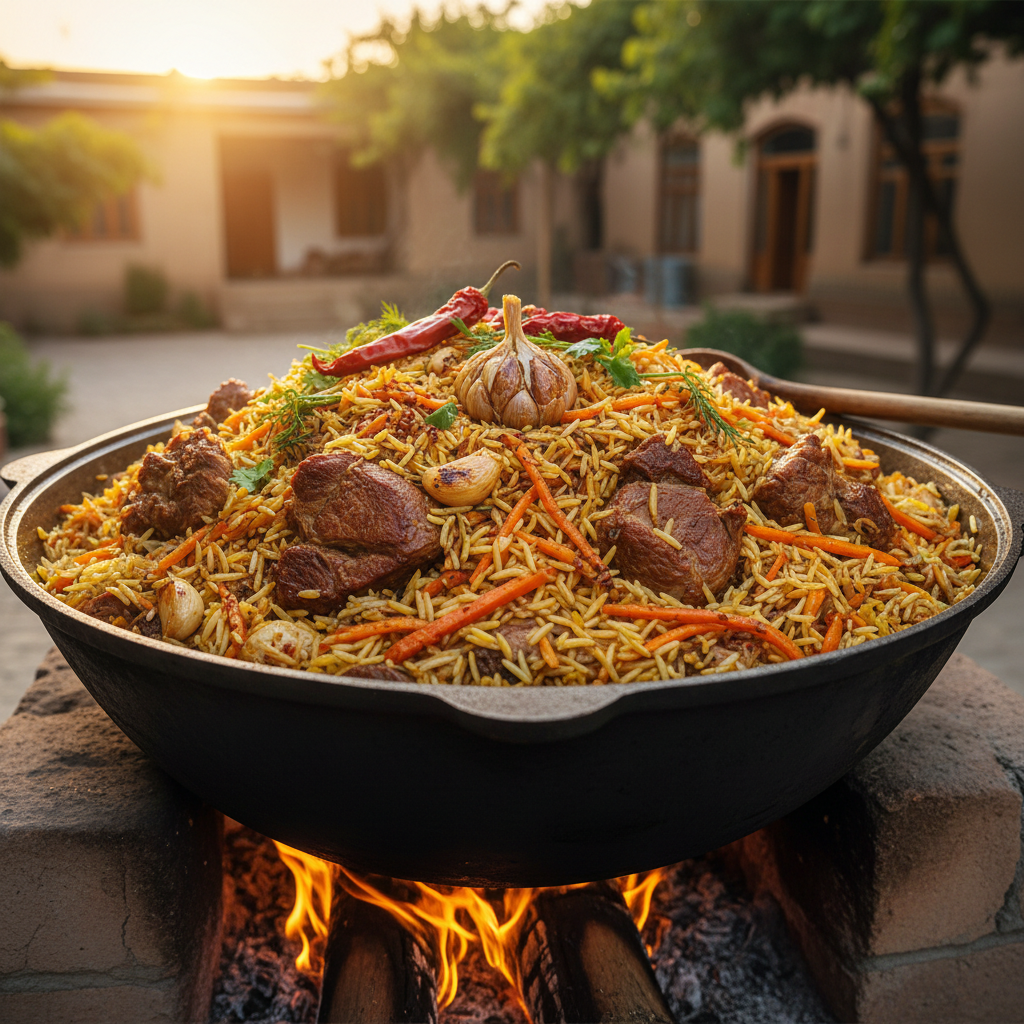
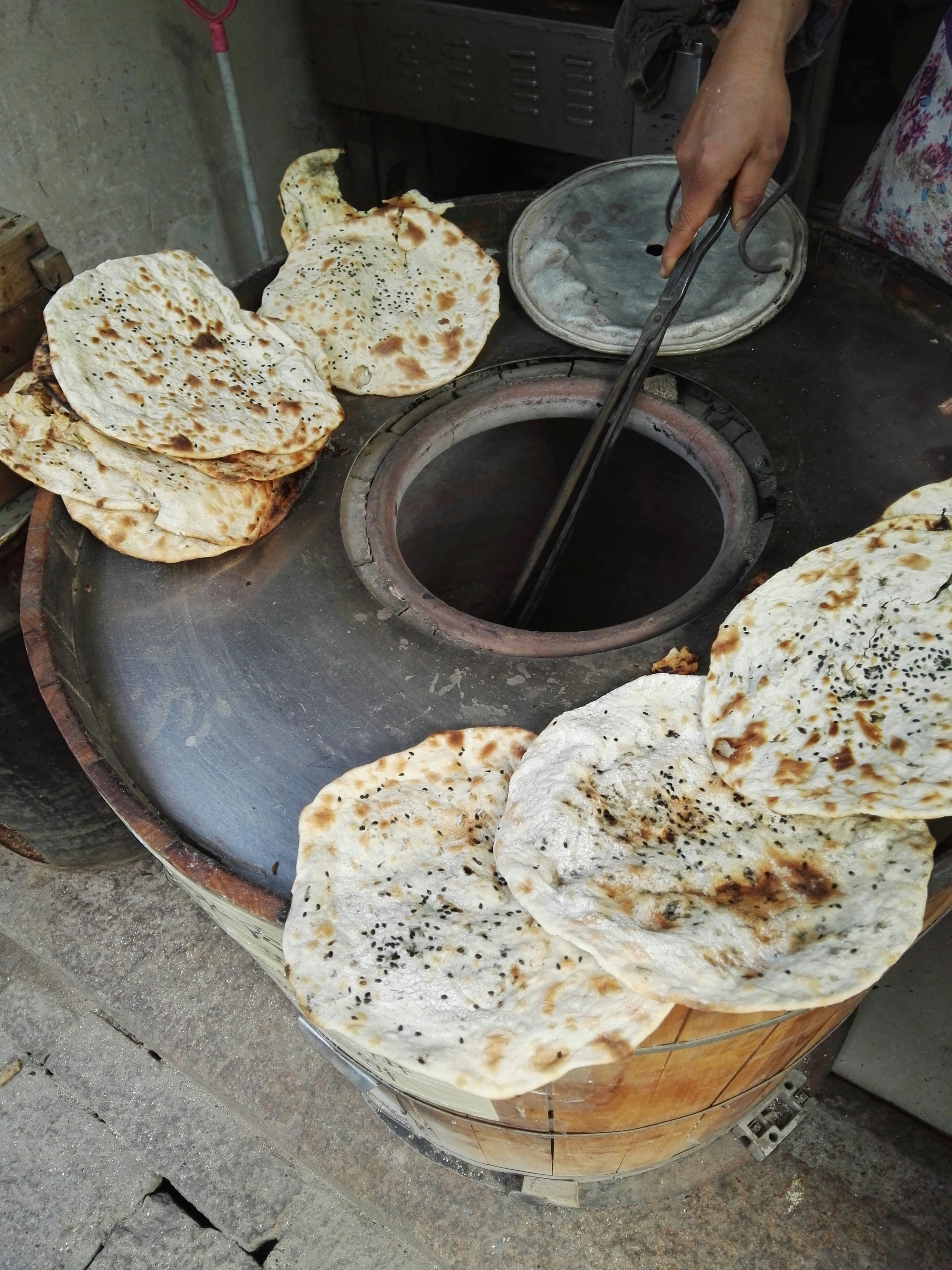
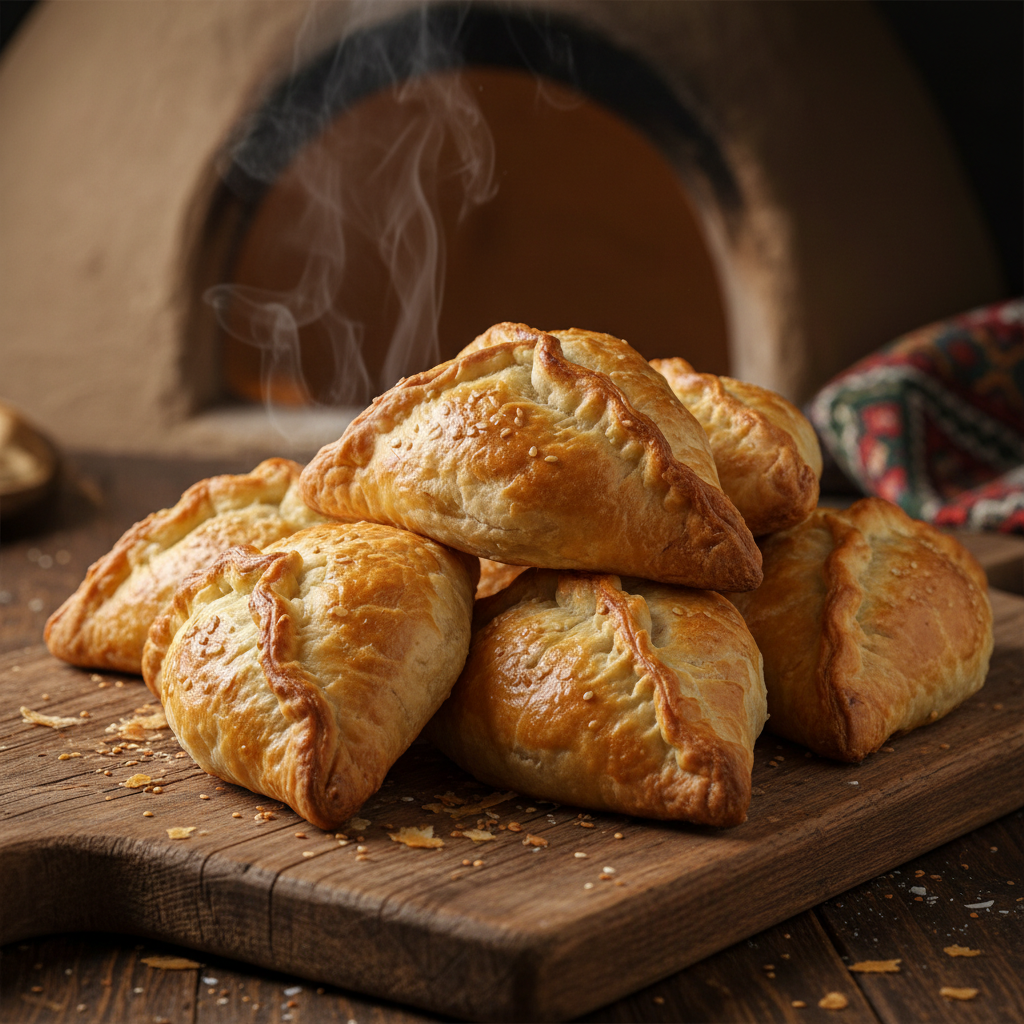
Before the city woke, before the bazaar filled with cumin smoke and apricot sellers, Fatima Yusupova was already at her clay oven. The tandoor had been in the family for three generations — a gift from her mother's mother, who carried the recipe for obi non across mountains on horseback. Every loaf was pressed by hand, every plov stirred with the same iron spoon.
Chapter II
Chorsu Bazaar, Tashkent
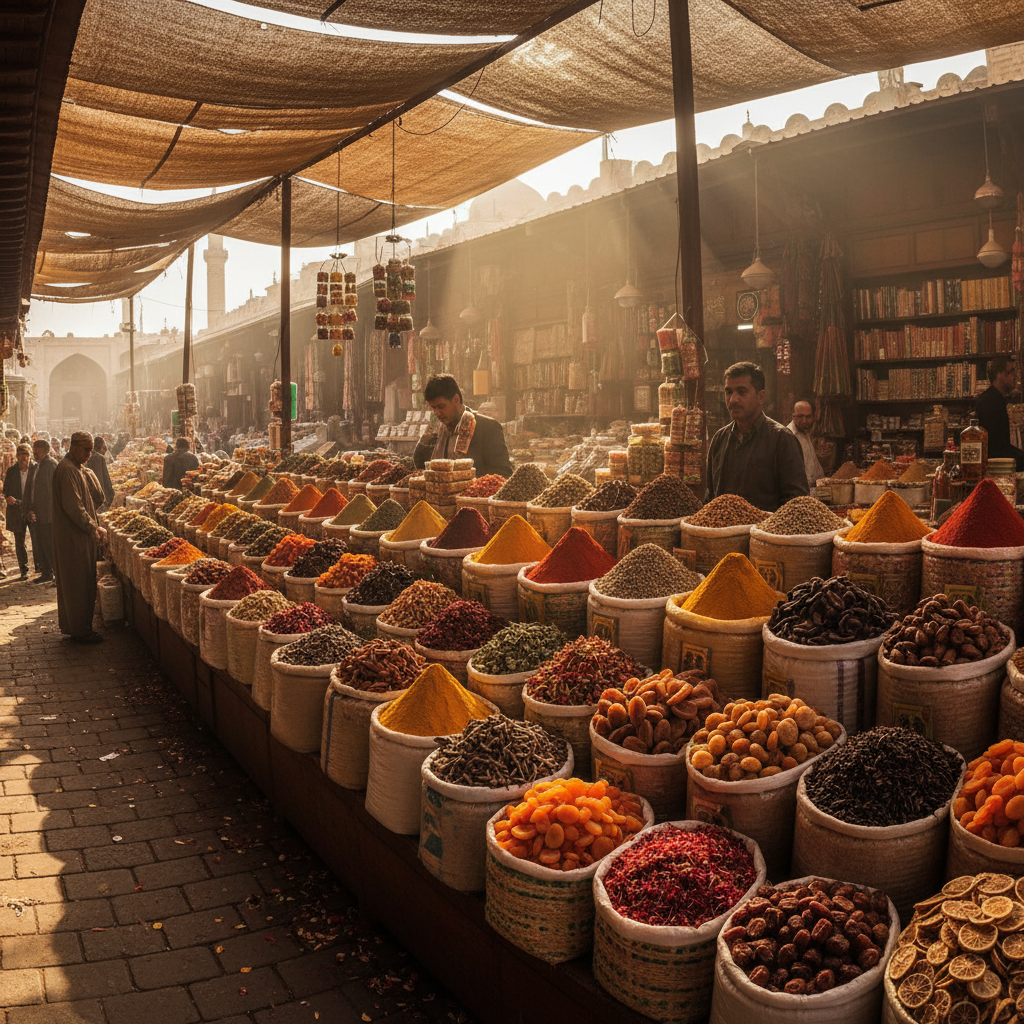
Spices don't travel — they migrate.
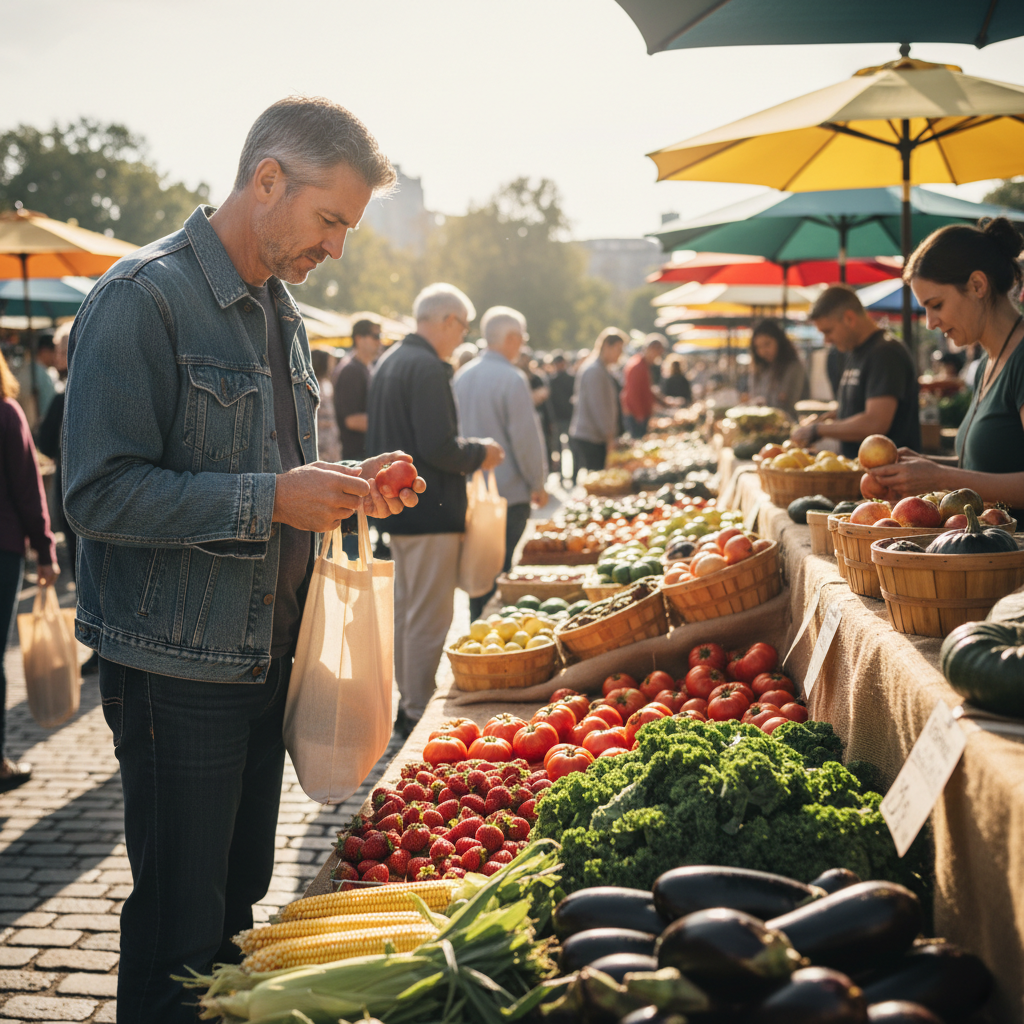
The coriander comes from Fergana Valley. The saffron is Iranian, traded through three hands before it reaches ours. Lamb from a single family farm in Livermore, California, who raise Karakul sheep — the same breed depicted on Uzbek embroidery for 600 years. We source the way we cook: with intention, with relationship, with nothing left to chance.
Chapter III
Oakland Metalworks, Bay Area
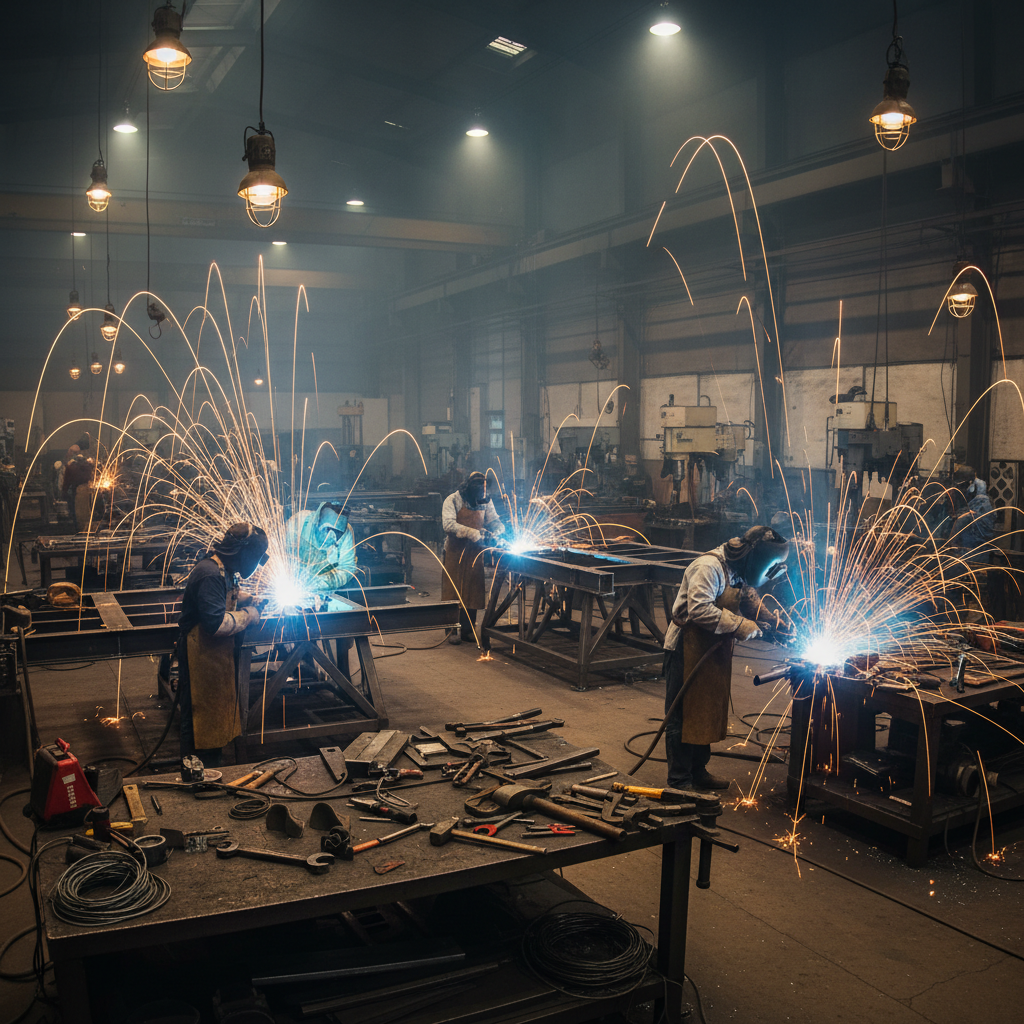
A tandoor built for 65mph.
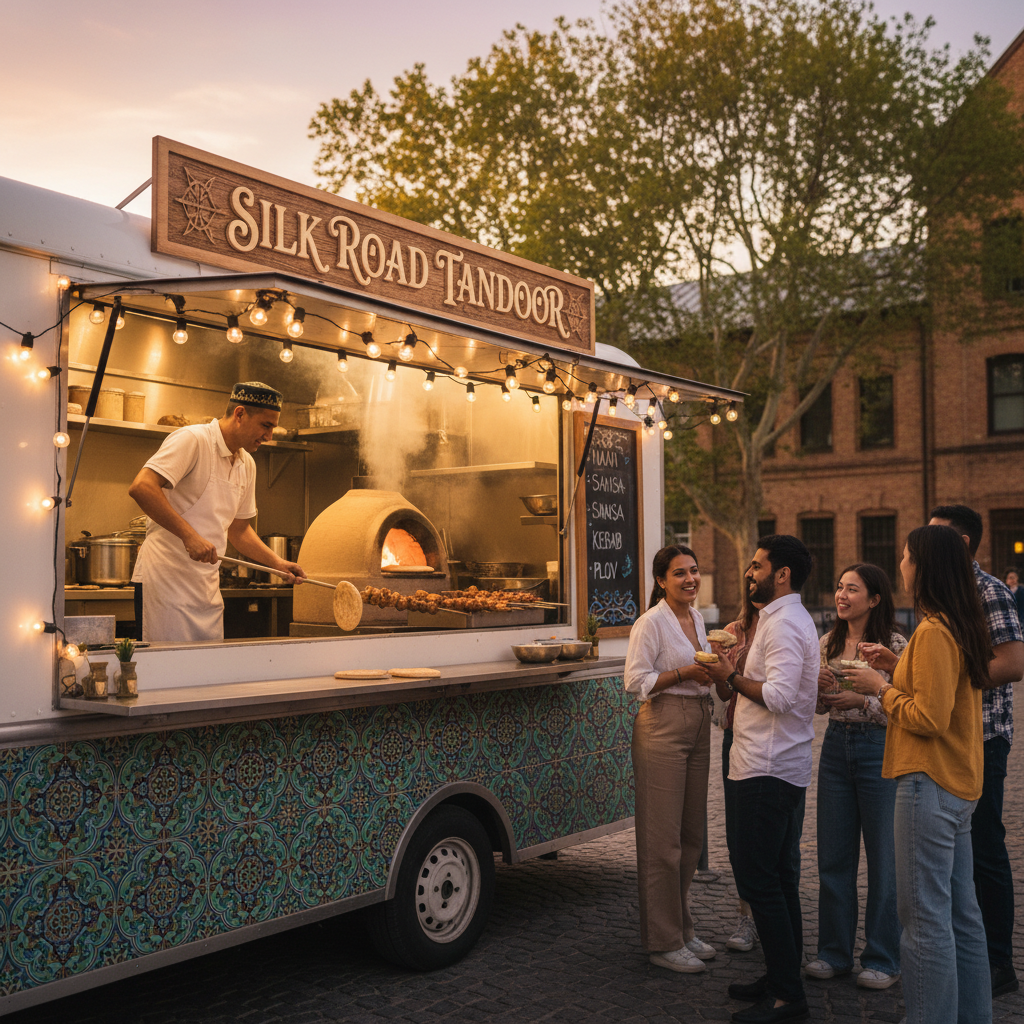
Welding a 400-pound clay-lined oven into the back of a Mercedes Sprinter required three engineers, two failed prototypes, and one welder who had never heard of plov but understood heat transfer perfectly. The result: a mobile tandoor that reaches 900°F in 40 minutes, mounted on a custom cradle that absorbs road vibration. The bread still tastes like Tashkent.
Chapter IV
Bay Area, Today
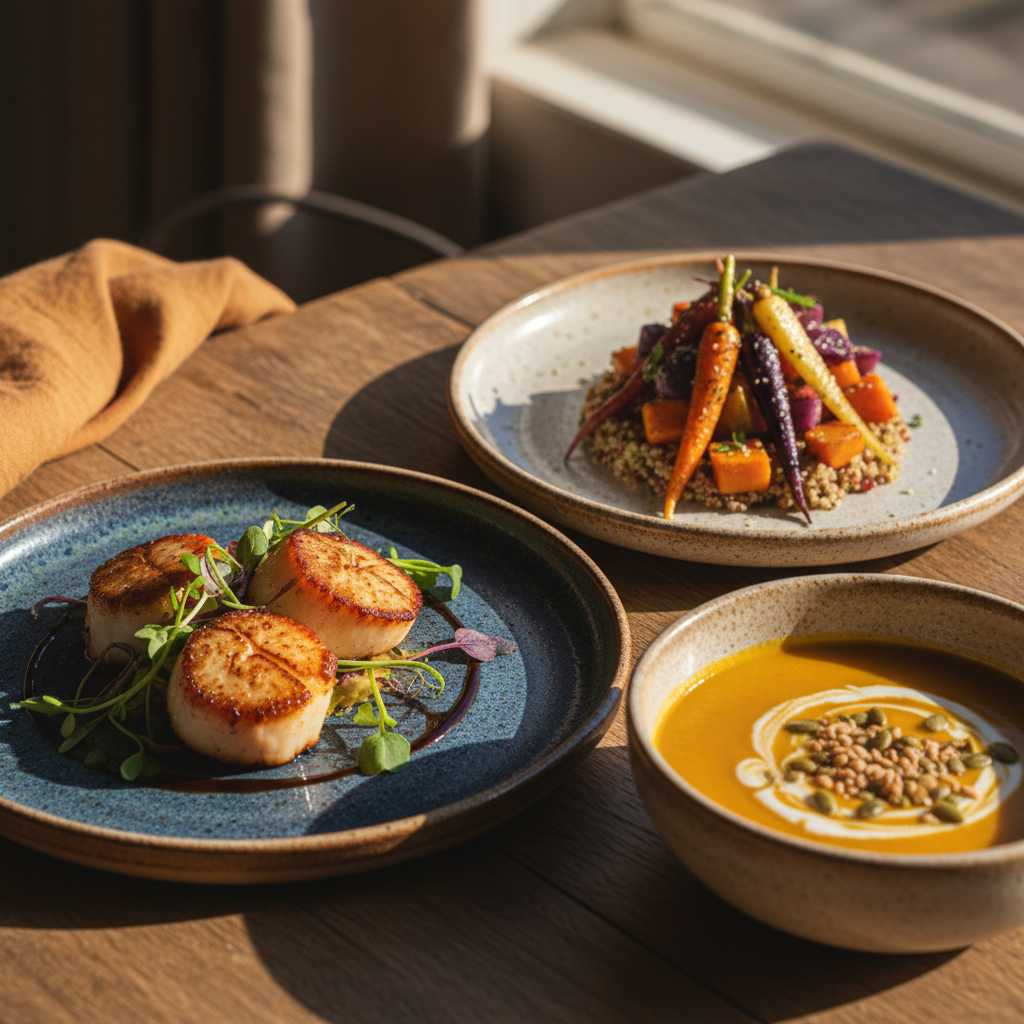
The smoke finds you first.
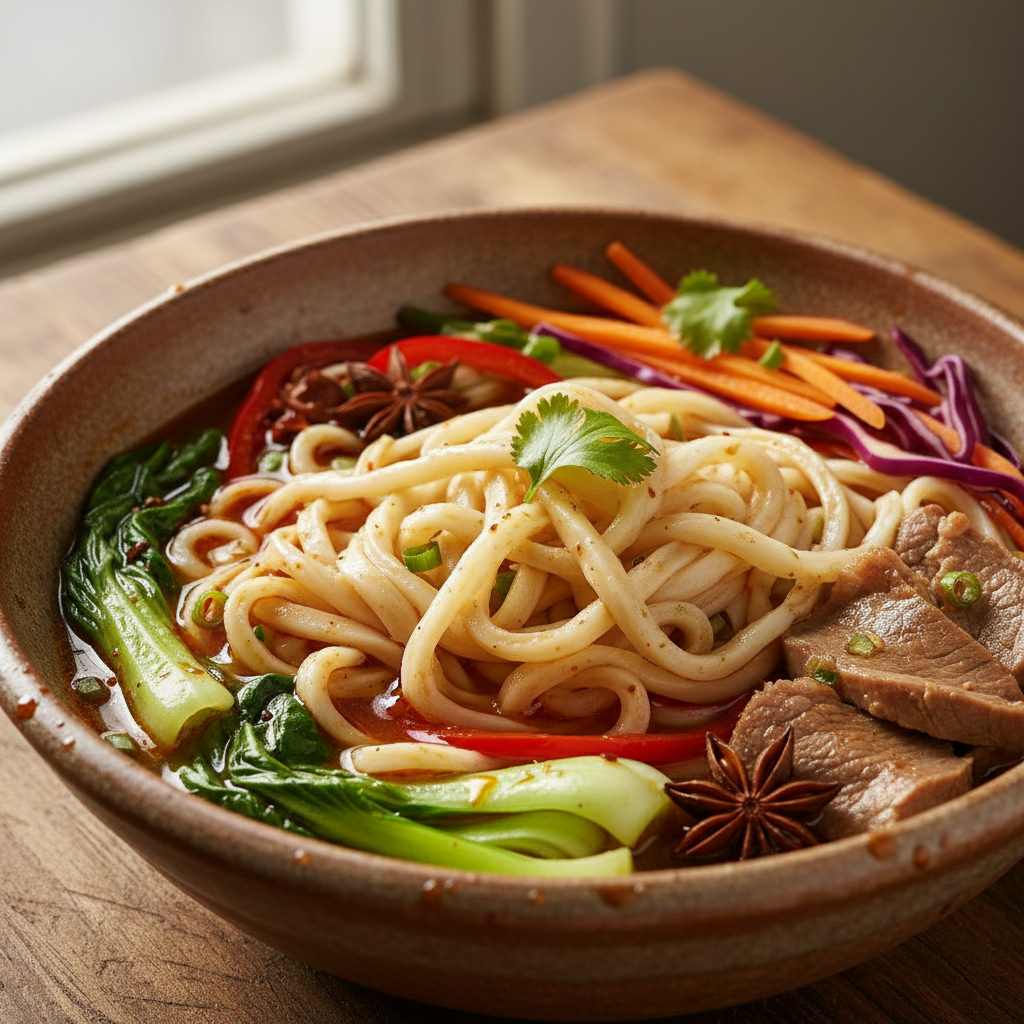
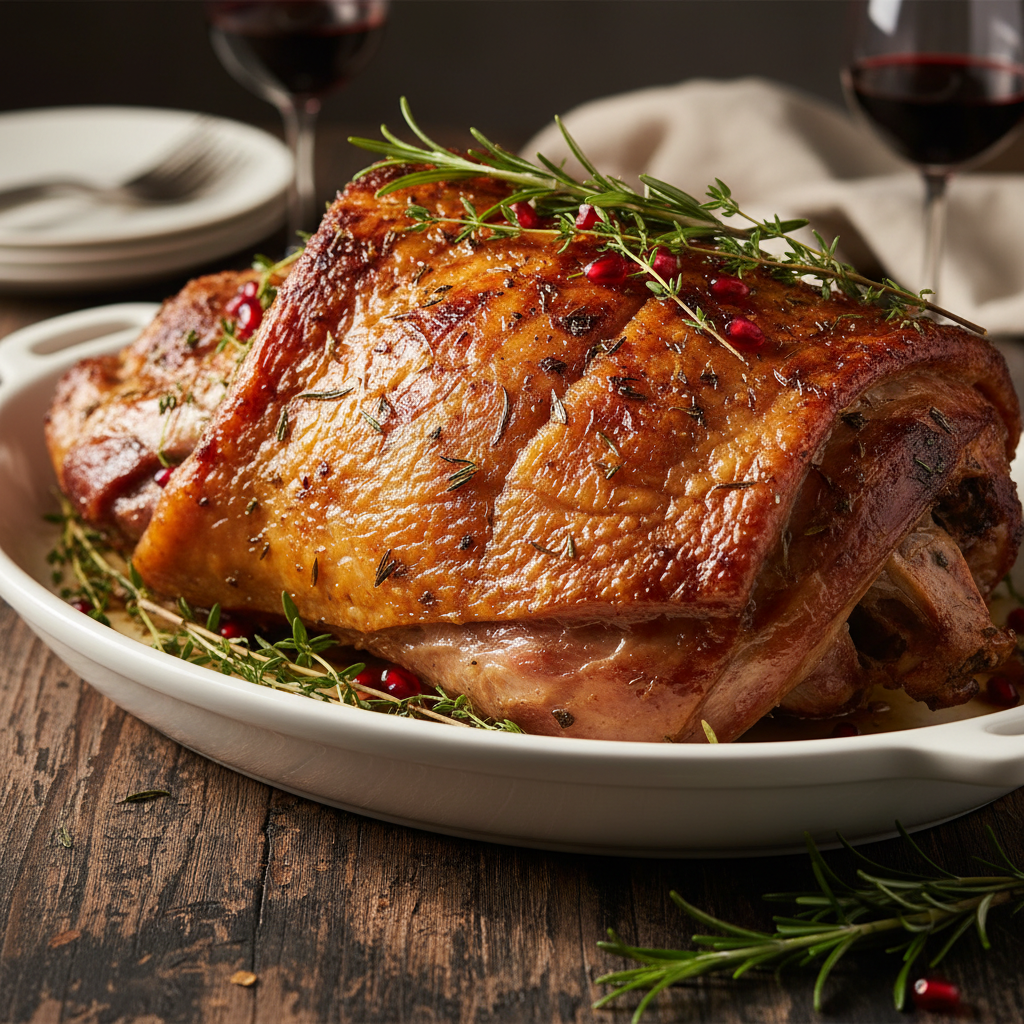
Regulars at the Palo Alto Farmers Market say they smell us from the parking lot. The lagman noodles are pulled to order — a process that takes four minutes and looks like a magic trick. The lamb shoulder has been in the tandoor since 6am. The ceramic plates were made by a potter in Samarkand and shipped here in padded crates. Nothing about this is fast. Everything about it is worth it.